Third grade. I overheard my teacher talking to my parents about me.
The teacher told them I was behind. Nobody meant anything by it. I spent the next twenty years making sure nobody would ever say it again.
The opinion you soften before anyone pushes back. The yes you give to keep things easy. The version of you that's a little more agreeable, a little more impressive, a little more fine than you actually are. None of it feels like performing. All of it is a signal.
Get Instant Access →
Think about whoever's closest to you. Your dog counts. They didn't choose you for your best year. And you probably perform for them anyway.
You perform even where there's nothing to gain. And the more you're occupied with how people see you, the less of yourself you let them see.
Nobody will ever tell you what you're signaling. They'll just stay a little further out.
You have a good evening. You listen, ask thoughtful questions, keep things easy. When something comes up that you actually disagree with, you let it pass. It's simpler that way.
On the way home, you realize you were there for the entire conversation. But not much of you was.
Eventually you settle on an explanation. They got busy. Bad timing. Different seasons of life. It's often like that.
Comforting. Reasonable. Usually not the reason.
What's harder to see: you've been making it easy to like you and hard to really know you. No argument. No falling-out. Just another relationship that stays pleasant and never goes much further.
The teacher told them I was behind. Nobody meant anything by it. I spent the next twenty years making sure nobody would ever say it again.
Every visit to a friend's place at the Ritz, I'd film the same balcony view for Instagram, sometimes twice. Then I'd check exactly who watched it.
I'd notice it in the mirror and tell myself I'd book it. When I finally went: multiple cavities and a thousand-dollar cleaning. I'd known the whole time.
One dinner in, I'd already decided how the night would end. She said no, kindly.
He stopped inviting me to his dinners. Then he flew in a chef from one of the world's best restaurants for his Christmas party. Later, he told me who that was aimed at.
Most advice for getting closer to people works on the outside. Ask more questions. Be a better listener. Be humble. All fine advice.
Here's the catch nobody mentions: every one of those can be performed. You can get every move right and still keep yourself at a distance.
From across the table, they look identical. Sometimes even to you.
This book is about what's underneath.
No script for making people love you. Something more useful: a chance to stop leaving yourself out of the room.
The notes
There are 35 notes at the back for anyone who wants to look deeper.
A few seconds of watching how someone carries themselves predicts how others respond to them.
The humblebrag backfires. People like you less for it than if you'd just bragged outright.
People who spent forty-five minutes on escalating personal questions felt closer afterward than people who spent the same forty-five minutes on small talk.
People judge their own moments of vulnerability more harshly than they judge the same moments in others.
Researchers cited include teams at Harvard, Stony Brook, the University of Mannheim and more.
“I thought I was the self-aware one.” Turns out I'd just gotten good at performing self-awareness. This book caught things I'd been doing for twenty years without once noticing.
“I've read every book on this. None of them got under the surface like this one.” The others gave me better moves. This one showed me why I needed them.
“It's uncomfortable in the best way.” I had to put it down a few times. I kept picking it back up because it was saying what nobody in my life ever had.
“I'm not a different person. I just see it now.” The edited version, the need to land well, the things I don't say. Once you notice it, you can't stop noticing.
Swipe for more →
Why I wrote it
I've filled rooms with people and still felt like nobody in them knew me. I've said yes when I meant no, softened what I really thought, and let good friendships fade rather than say the hard thing.
For years, I couldn't see any of it. Nobody tells you what you're signaling.
I wrote this book to help you see what you otherwise wouldn't. I still catch myself doing all of it. I just catch it sooner now. And my intention is that you do too.
Alec Mountain
Recovering professional performer of “someone worth knowing.”
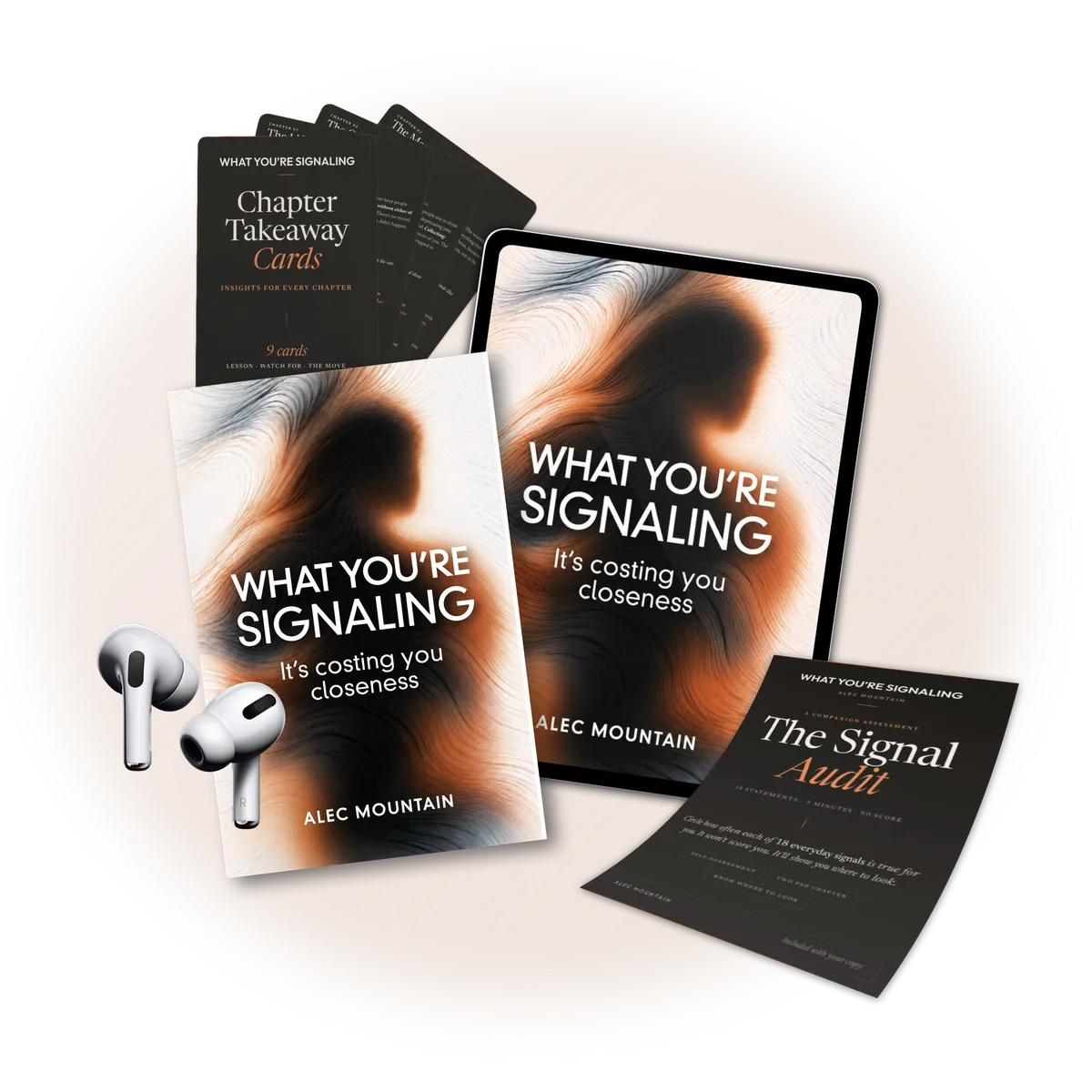
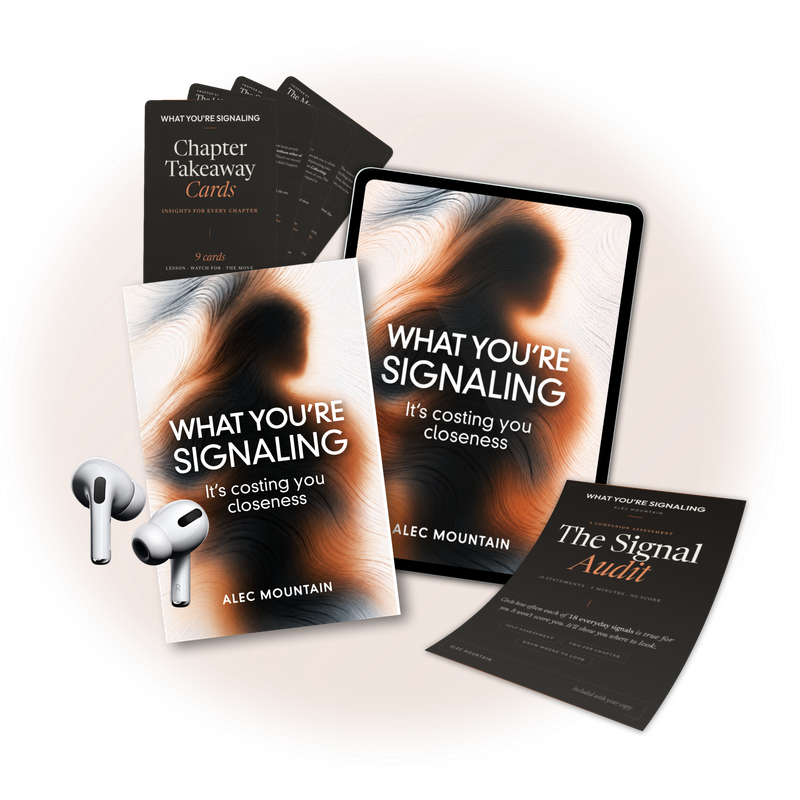
What you get
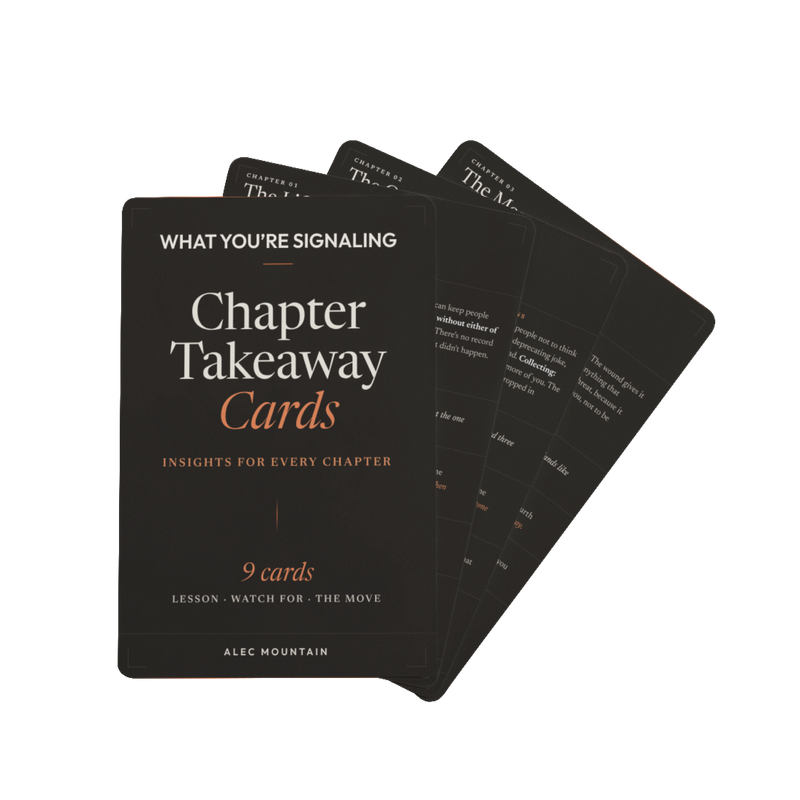
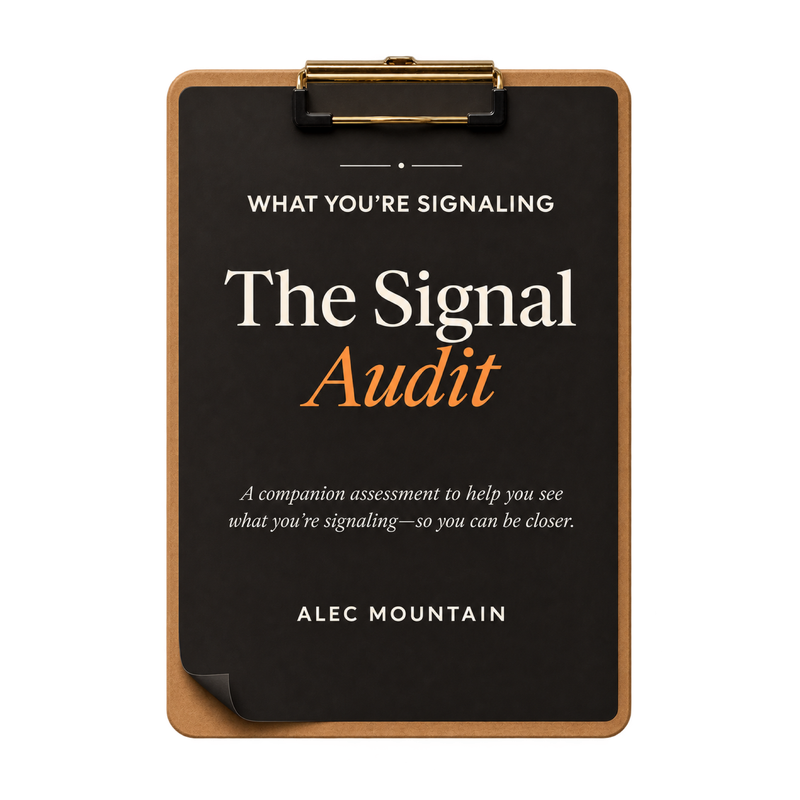
One book, two bonuses. Nothing else you need to buy.


So was I. That's sort of the problem. Knowing you do something and catching yourself while you're doing it are two different things. This book is about the second.
A clearer picture of the things you do to be liked, why you keep doing them, and what they're costing you. You'll recognize patterns you hadn't noticed before, and have a chance to choose differently the next time they show up.
No. That's easy advice to give and surprisingly hard to follow. This book looks at what gets in the way, including the things you do without realizing you're doing them.
Very. Friendships I lost, things I posted, decisions I'd rather not have made. And a few I'm still making. If you were hoping for a detached expert in a lab coat, wrong book.
Quietly Rejected is about the behaviors that make people stop choosing you. This one is about what's underneath them, told mostly through my own life. Read either one first.
Email me within 30 days and you get every dollar back. You keep the book.
A note on the guarantee
Read it. If it doesn't show you something about yourself you couldn't see before, email [email protected] within 30 days. No forms. No hoops. No guilt trip. Keep the book.
— Alec
30-Day Money-Back Guarantee